
- Bombay Hospital, Room 203 Near Liberty Cinema, Marine Lines
- healthyhearts.dr@gmail.com
- +91 9082106755
- Mon to Sat: 9am to 5pm
Best Valve Replacement in Marine Lines
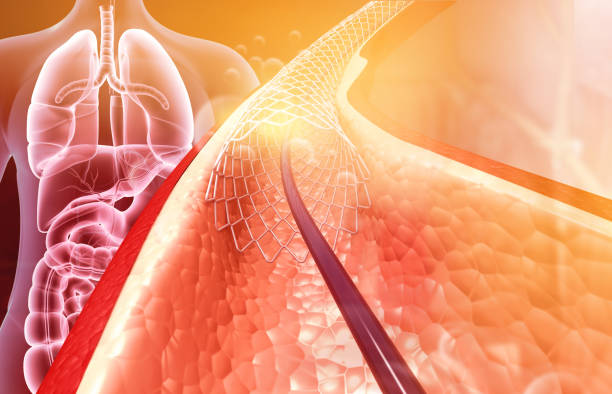
Valve Replacement Surgery
Valvular heart disease occurs when one or more of the four valves of the heart do not work properly. If the valves of your heart are too delicate, scarred, or damaged to be repaired, you may need valve replacement surgery. Best Valve Replacement in Marine Lines provides professional cardiac care for improved heart health and recovery.
Reasons for Replacement
Your heart's valves allow nutrient-rich blood to flow through your heart's chambers. Each valve is supposed to open, letting blood in. And close completely. Diseased heart valves may not be able to do what they are supposed to do all of the time.
Stenosis is narrowing of the blood vessels . This means the heart is getting less blood than it should . That means the muscle has to work harder. Another could be leaking valves. The valve may not close tightly, so it may be slightly open, allowing blood to flow backwards. This is what we call vomiting.” The following are some signs of valvular heart disease:
Heart valve repair is an alternative treatment for valvular heart disease.Best Valve Replacement in Marine Lines is an important treatment option when the damage is too severe, and the only option is to completely replace the damaged valve.
Types of Replacement Valves
Mechanical and biologic valves replace faulty valves. Mechanical valves are artificial devices that replicate the function of a natural heart valve. They are built using human-tolerable materials, such as polyester and carbon. They can last for a decade or two. But blood clots are one of the risks associated with mechanical valves. If you have a mechanical heart valve, you will need to stay on blood thinners for the rest of your life to decrease your risk of stroke.
Biologic valves or bioprosthetics are constructed from biological material (human or animal) as opposed to mechanical material. There are three varieties of biologic heart valves:
Biologic valves do not contribute to an increase in blood clotting; therefore, there is a decreased likelihood of needing long-term anticoagulation (blood thinners). However, a bioprosthetic valve is not as durable as a mechanical valve, so you may need to have a bioprosthetic valve replaced at some point during your life. To ensure optimal outcomes for complex cases, the Best Valve Replacement in Marine Lines may be the best option.
The type of heart valve your doctor recommends will depend on:
The Procedure
Heart valve replacement surgery is performed under general anesthesia with techniques that are either conventional or minimally invasive. Conventional surgery requires a large incision from your neck to your navel.At Best Valve Replacement in Marine Lines, If you have less invasive surgery, the length of your incision can be shorter and you can also reduce your risk of infection. Heart valve replacement surgery is done under general anesthesia and can be minimally invasive or conventional. Traditional surgery involves a large cut from your neck to your navel. The Best Valve Replacement in Marine Lines provides less invasive surgery that can reduce the length of your incision and lower your risk of infection.
Recovery
Most patients who receive heart valve replacements stay in the hospital for five to seven days. You may be able to return home sooner if your surgery was minimally invasive. During the first few days following a heart valve replacement, medical personnel will provide pain medication as needed and continuously monitor your blood pressure, breathing, and heart function, guaranteeing care under the Best Valve Replacement in Marine Lines.
Depending on how quickly you heal and the kind of surgery you had, a full recovery could take a few weeks or several months. Maintaining the sterility of your incisions is crucial because infection is the main risk immediately following surgery. Always get in touch with your doctor straight away if you experience any of the following symptoms:
Follow-up visits are crucial because they will assist your physician in determining when you can return to your regular activities. For the period after your surgery, make sure you have a support network in place. As you heal, ask friends and family to drive you to doctor's appointments and assist you around the house.